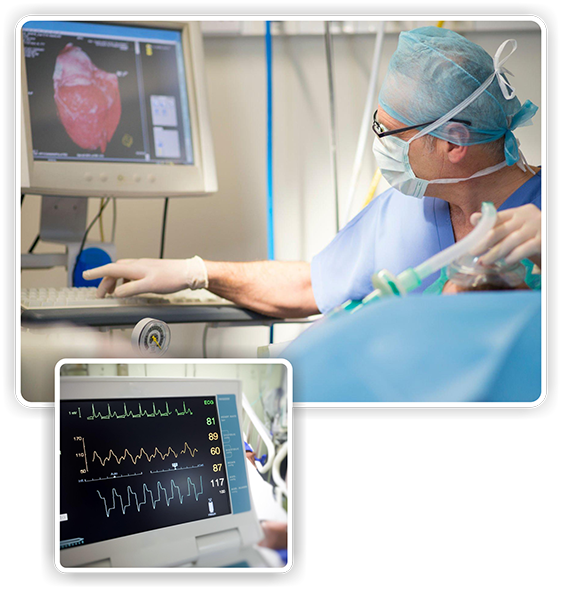
Cardiology
Cardiology is a medical specialty that focuses on the identification and management of disorders affecting the heart and circulatory system. Conditions treated by cardiologists range from birth defects to acquired cardiac illnesses like congestive heart failure and coronary artery disease. Cardiologists are trained to perform various tests and treatments, including pacemaker implantation, angioplasty, and heart catheterization.
Heart disease specifically refers to conditions affecting the heart, while cardiovascular disease involves the heart, blood vessels, or both. Specialties within cardiology include nuclear cardiology, cardiac electrophysiology, interventional cardiology, and echocardiography. Conditions like hypertension, arrhythmias, and coronary heart disease are common in cardiology.
Cardiology Treatment Methods
Several procedures are associated with cardiology treatment, including:- Cardiac Catheterization: A procedure that uses a small tube near or in the heart to gather information, clear blockages, and assess the function of the heart and its valves.
- Biventricular Pacing (Cardiac Resynchronization Therapy): A treatment that uses a pacemaker to help synchronize the left and right ventricles, improving the heart’s overall efficiency.
- Angioplasty & Stent Placement: A procedure to unclog blocked arteries by inserting a balloon catheter into the artery, helping to widen it and improve blood flow.
These treatments play a vital role in managing heart disease and improving the quality of life for patients. Early detection and regular checkups are essential for effective treatment.